climatology and geology

Understanding Typhoons and Geological Impact
We analyze typhoons' effects on geological formations, exploring past climatic conditions and their influence on landscapes, while developing predictive models for future geological changes.
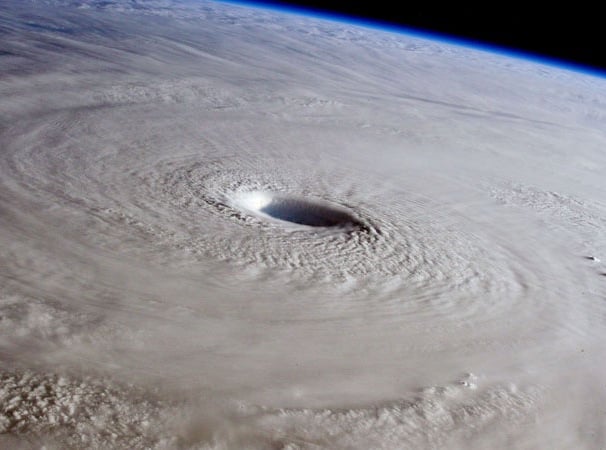
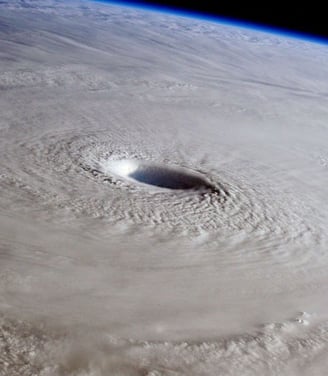
Typhoon Impact
Analyzing typhoon effects on geological formations and climate records.
🌪️ Geological Impacts of Typhoons in the Philippines
Typhoons are one of the most destructive natural disasters to affect the Philippines, causing significant geological changes to the country's landscape. The combination of strong winds, heavy rainfall, and storm surges leads to several geological and environmental impacts that can affect the region for years.
🌊 1. Coastal Erosion and Land Loss
What happens?
Typhoons bring powerful storm surges that erode coastlines, particularly in low-lying coastal areas.
Waves, strong currents, and winds wash away sediment, damage coastal infrastructure, and reduce landmass.
Real-World Example:
Super Typhoon Yolanda (Haiyan) in 2013 caused extensive coastal erosion in Tacloban City and other parts of Leyte. The typhoon's storm surge reached up to 5 meters, devastating coastal areas and causing permanent land loss.
🏞️ 2. Landslides and Slope Failures
What happens?
The heavy rainfall associated with typhoons saturates the soil in mountainous regions, making slopes more prone to failure.
In deforested areas, loss of vegetation reduces soil stability, increasing the likelihood of landslides during or after a typhoon.
Real-World Example:
Typhoon Ondoy (Ketsana) in 2009 led to widespread flooding and landslides in the mountainous regions of Rizal and Quezon Province. Landslides buried entire villages, causing major loss of life and infrastructure damage.
🌧️ 3. River Flooding and Sediment Deposition
What happens?
Typhoons bring large amounts of rainfall, which increases river discharge, often leading to flooding.
Floodwaters carry sediments, eroding riverbanks and depositing materials that can change the shape of river channels, deltas, and floodplains.
Real-World Example:
In Cagayan Valley, frequent typhoons cause sediment deposition in rivers, creating flooding and altering the river morphology, which affects agricultural activities and settlements along the riverbanks.
🏝️ 4. Mangrove and Wetland Destruction
What happens?
Typhoons can cause severe damage to mangrove forests and wetlands, which play crucial roles in coastal protection, soil stabilization, and biodiversity conservation.
Strong winds and storm surges uproot mangroves, leaving coastlines more exposed to erosion and flooding.
Real-World Example:
Super Typhoon Pablo (Bopha) in 2012 caused severe damage to mangrove forests in Davao Oriental, reducing the natural protection against storm surges and increasing coastal vulnerability.
🌪️ 5. Alteration of Sand Dunes and Beaches
What happens?
Strong winds and storm surges from typhoons can dramatically alter sand dunes and beach profiles, especially in areas with delicate coastal ecosystems.
Beach erosion and the shifting of sand can displace communities and affect local ecosystems that depend on these areas.
Real-World Example:
Typhoon Rolly (Goni) in 2020 caused significant damage to beaches in Bicol, where sand dunes were washed away, leaving coastal villages more vulnerable to future storms.
🧪 Geological Evidence in the Record
Sediment Layers: River and lake sediment layers reveal evidence of past flooding and sediment deposition events associated with typhoons. These layers help scientists reconstruct the frequency and intensity of past storm events.
Mangrove Growth Rings: Mangrove trees, like corals, grow in annual rings. These can show the frequency and intensity of past storm surges and typhoons, helping to map the geological history of storm impacts.
Beach Sand Layers: Analysis of beach sand after a typhoon can show changes in sediment deposition, revealing information about the force of the storm and the impact on coastal ecosystems.
🌐 Implications for the Future
The geological impact of typhoons in the Philippines underscores the need for disaster risk reduction and climate change adaptation strategies:
Infrastructure Planning: Building homes and infrastructure away from high-risk areas such as unstable slopes and eroding coastlines.
Ecosystem Protection: Preserving mangrove forests, wetlands, and coral reefs to mitigate the effects of future typhoons and protect vulnerable coastal communities.
Flood Control and Mitigation: Strengthening river systems and improving flood forecasting and mitigation systems to reduce the impact of typhoons on settlements and agriculture.
🌍 Conclusion
Typhoons, while natural events, are intensifying due to climate change, leading to more severe geological impacts in the Philippines. Understanding these effects helps in developing sustainable solutions to reduce damage and protect the country’s geological landscape, human settlements, and ecosystems.

Explore earth's systems and my learning reflections.
Resources
Contact
markchapter16verse15@gmail.com
© 2025. All rights reserved.