climatology and geology

Climate Change Impact Analysis
Exploring geological formations shaped by climate change and predictive models for future forecasts.
Understanding Climate Change Geological Impact
This module explores Climate Change as a major theme in climatology, focusing on its causes, evidence, impacts, and global responses. We examined both natural and human-induced factors that drive changes in Earth's climate and discussed the implications for ecosystems, human societies, and future generations.
Through scientific data and real-world case studies, this module helped us understand the urgency of climate action and how climate change is both a scientific and social issue.

🔑 Key Concepts
Climate vs. Weather
Weather is the short-term state of the atmosphere (temperature, rainfall, humidity), while climate refers to long-term patterns and averages over decades.
Understanding this distinction is critical when analyzing climate change data.
The Greenhouse Effect
Naturally occurring greenhouse gases (GHGs) like carbon dioxide (CO₂), methane (CH₄), and nitrous oxide (N₂O) trap heat from the sun, keeping Earth habitable.
Human activities have intensified this effect by releasing excessive GHGs, causing global warming.
Anthropogenic (Human-Induced) Climate Change
Major causes include:
▫️ Fossil fuel combustion (coal, oil, gas)
▫️ Deforestation and land-use change
▫️ Industrial emissions and agricultureThese activities have increased atmospheric CO₂ levels from ~280 ppm (pre-industrial) to over 415 ppm today.
Climate Feedback Mechanisms
Positive feedback: Melting ice reduces Earth’s reflectivity, leading to more heat absorption.
Negative feedback: Increased cloud cover can reflect solar radiation, potentially cooling the Earth.
Evidence of Climate Change
Rising average global temperatures (over 1.1°C since 1880)
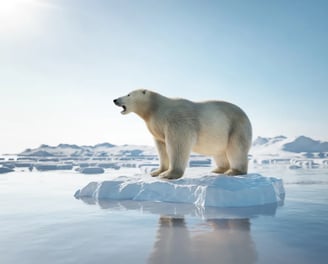
Melting polar ice caps and glaciers
More frequent and intense heatwaves, droughts, and typhoons
Sea-level rise (3.3 mm/year globally)
Impacts on the Philippines
The Philippines ranks among the most climate-vulnerable countries.
Observed effects include:
▫️ Stronger typhoons (e.g., Yolanda)
▫️ Droughts in Mindanao
▫️ Coral bleaching due to warmer seas
▫️ Food insecurity and loss of livelihood in coastal and farming communities
Mitigation and Adaptation Strategies
Mitigation: Renewable energy, afforestation, sustainable transport
Adaptation: Elevated housing, early warning systems, crop diversification, climate education


Geological Impact
Analyzing climate change effects on geological formations and landscapes.


🌋 Geological Impacts of Climate Change
Climate change doesn't just affect the atmosphere and oceans—it also has far-reaching consequences on Earth's geological systems. The Philippines, with its complex geology and location in the Pacific Ring of Fire, is particularly vulnerable to these changes. Below are the key geological impacts:
🏔️ 1. Increased Landslide Risks
What happens?
Changes in precipitation patterns, such as prolonged droughts followed by intense rainfall, weaken soil cohesion and increase the risk of landslides.
In mountainous regions like Benguet, Ifugao, and parts of Mindanao, this has led to frequent slope failures.
Real-World Example:
The 2006 Guinsaugon Landslide in Southern Leyte was partly attributed to extreme rainfall, which is becoming more erratic due to climate change.
🌊 2. Accelerated Coastal Erosion and Land Subsidence
What happens?
Rising sea levels and stronger storm surges gradually wear away coastlines.
In low-lying areas like parts of Metro Manila and the Visayas, this leads to loss of land and threatens coastal infrastructure.
Real-World Example:
Coastal barangays in Bulacan and Pampanga have reported saltwater intrusion and shoreline retreat, affecting homes and agriculture.
🌡️ 3. Melting Glaciers and Sea Level Rise (Global Effect, Local Impact)
What happens?
Though the Philippines has no glaciers, the melting of polar ice contributes to sea level rise, which increases flooding risks and alters sediment deposition patterns in deltas and estuaries.
Impacts in the Philippines:
Increased flooding in Manila Bay and surrounding areas
Riverbank erosion in areas like Pampanga River Basin
🪨 4. Changes in Sediment Transport and River Morphology
What happens?
Altered rainfall patterns change the flow rate and volume of rivers, affecting how sediment is transported and deposited.
This leads to riverbank erosion, the formation of new river channels, or the silting of dams and reservoirs.
Example:
Heavy rains during La Niña years increase sediment loads in the Agno and Cagayan Rivers, contributing to siltation and flooding.
🐚 5. Coral Reef and Limestone Degradation
What happens?
Ocean acidification and rising temperatures lead to coral bleaching and death.
Since coral reefs are largely made of calcium carbonate, they are geological formations that deteriorate under climate stress.
Geological Impact:
Loss of coral reefs affects coastal stability, fishery productivity, and tourism, and reduces natural protection from tsunamis and typhoons.
🔥 6. Triggering of Earthquakes and Volcanic Activity (Emerging Studies)
What happens?
There’s growing evidence that glacial melting and water redistribution may increase tectonic stress in some regions.
While not yet confirmed for the Philippines, this could potentially influence volcanic activity or trigger minor seismic shifts over time.
🧪 Geological Evidence in the Record
Lake sediments show evidence of flood and drought cycles tied to past climate changes.
Speleothems (cave deposits) reveal changes in moisture and temperature through isotopic analysis.
Coral growth rings act as historical climate records, showing temperature and sea level variations over time.
🌐 Implications for the Future
Climate change is shaping our landscape in real time. Understanding its geological impacts is key to preparing for:
Infrastructure planning (e.g., road and building placement in landslide-prone zones)
Disaster risk reduction
Sustainable coastal development
Explore earth's systems and my learning reflections.
Resources
Contact
markchapter16verse15@gmail.com
© 2025. All rights reserved.