climatology and geology

👤 About Me
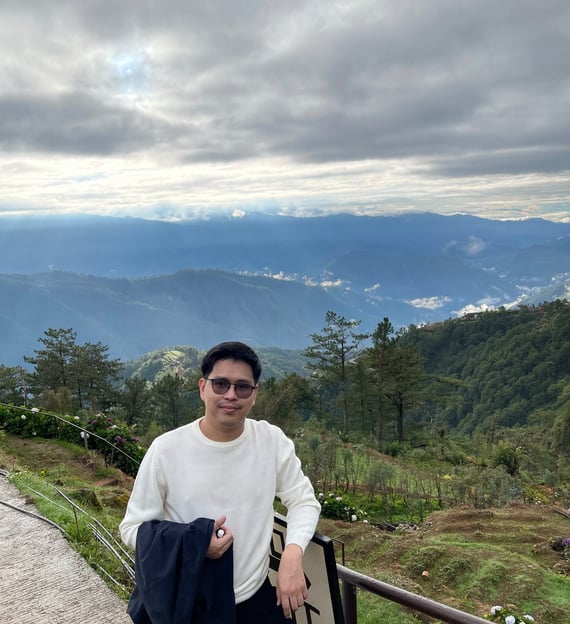
Name: Mark Josiah B. Gondraneos
Profession: Registered Medical Technologist & Cardiovascular Perfusionist
Graduate Program: Master of Arts in Education, Major in Science Education
Academic Year: SY 2024–2025
Institution: University of Perpetual Help
🌱 Bio:
Hi! I’m Mark Josiah B. Gondraneos, a registered medical technologist and cardiovascular perfusionist currently pursuing my Master of Arts in Education, majoring in Science Education at the University of Perpetual Help. With over a decade of clinical experience, I’ve developed a strong passion for bridging healthcare and education—translating complex scientific concepts into meaningful, real-world learning experiences.
This Climatology and Geology course has deepened my appreciation for Earth’s dynamic systems and their impact on human life. Through this project, I’ve been able to creatively compile and present what I’ve learned, making science more engaging and accessible.
🌍 Academic and Professional Interests
Science education and instructional design
Environmental awareness and sustainability
Health sciences integration in classroom settings
Disaster risk education and climate resilience
💡 Fun Fact: I enjoy designing educational visuals and conducting simulations that bring science lessons to life—both in the classroom and in clinical training environments!

Reflection on Climatology and Geology: A New Perspective from a Clinical Perfusionist
Before taking this course in Climatology and Geology, my professional focus as a clinical perfusionist was centered on managing the heart-lung machine and working closely with cardiac surgeons and anesthesiologists in the operating room. My daily responsibilities were precise and life-critical—ensuring the circulation and oxygenation of blood during open-heart surgeries. My role has always been rooted in saving lives, maintaining physiological stability, and supporting complex medical procedures. Environmental issues, while important, felt distant from the sterile, high-stakes world of cardiac care.
But this course has completely transformed my perspective.
Through Climatology and Geology, I’ve come to understand that the health of our environment is deeply intertwined with human health. I learned how global climate systems like El Niño, extreme weather events such as typhoons, and human activities like mining and deforestation affect not only the physical landscape but also the safety and well-being of entire communities. These natural and man-made phenomena often lead to geological instability, which can cause floods, landslides, and displacement—all of which increase the burden on public health systems.
As a healthcare professional, I realized that promoting health should not end inside the operating room. The reality is that environmental degradation contributes to many of the health crises we face—from contaminated water sources to the spread of climate-sensitive diseases. Understanding the geological record and predictive models has also helped me appreciate the urgency of environmental action to prevent long-term, irreversible damage that ultimately impacts human life.
This course has broadened my outlook. I no longer view health advocacy as limited to clinical practice. True healthcare now includes environmental awareness and responsibility. As a perfusionist, I deal with the mechanics of human survival every day—but now I am also more aware of the “bigger machine” that sustains all life: the Earth itself.
I move forward with a renewed commitment—not only to the lives I help in the operating room but also to contributing to environmental consciousness, education, and sustainability. This course has changed not just how I think, but how I live and how I teach others.
Gallery
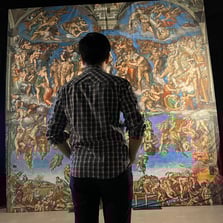
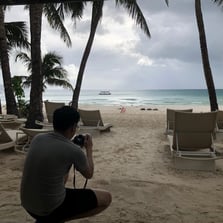
Explore my visuals showcasing nature, profession, and lifestyle.

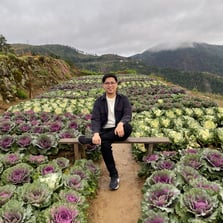
In Nature
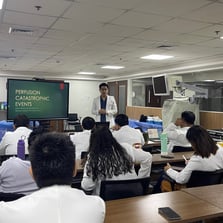
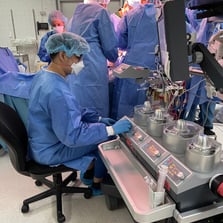
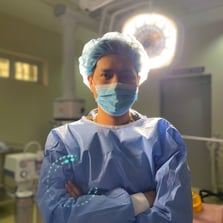
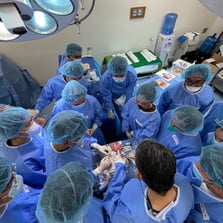
In Profession


In Lifestyle
Explore earth's systems and my learning reflections.
Resources
Contact
markchapter16verse15@gmail.com
© 2025. All rights reserved.