climatology and geology

Deforestation
Exploring the effects of deforestation on climate and geological processes, we aim to raise awareness and promote sustainable practices for a healthier planet.


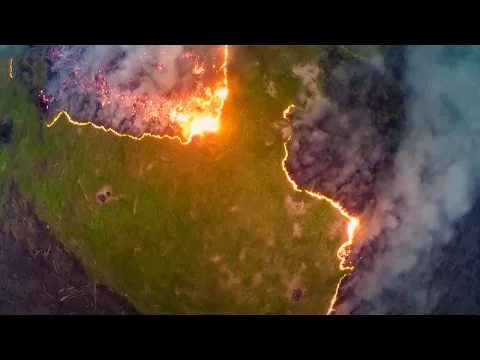
Human Impact Awareness
Exploring deforestation's effects on climate and geological processes for a sustainable future.
🌳 Human Impact on Climate and Geological Processes: The Case of Deforestation
Deforestation, the large-scale removal of forests for various human activities such as agriculture, logging, and urban development, is one of the most significant contributors to both climatic change and geological instability. It not only affects local ecosystems but also leads to altered climatic conditions and geological disturbances, such as landslidesand soil erosion.
1. Deforestation and Its Impact on Climate
The impact of deforestation on climate is both direct and indirect, contributing to both global warming and climatic extremes:
a. Carbon Emissions
Forests act as carbon sinks, absorbing carbon dioxide (CO2) from the atmosphere. When forests are cut down, this carbon is released back into the air, contributing to the greenhouse effect and global warming.
The process of burning forests, especially in tropical areas, releases large amounts of CO2 and methane into the atmosphere, accelerating climate change.
b. Disruption of Local Climate
Trees regulate the local climate by maintaining moisture levels, creating shade, and regulating wind patterns. When forests are destroyed, local temperatures increase, and precipitation patterns change.
In tropical regions, deforestation leads to drier conditions, as trees no longer release moisture through transpiration, reducing the local humidity and altering rainfall distribution.
c. Loss of Biodiversity
Forests are home to a significant proportion of global biodiversity. Deforestation disrupts these ecosystems, leading to the loss of plant and animal species, which in turn affects the climate-regulating functions of ecosystems.
2. Deforestation’s Geological Impact
The removal of forests has profound consequences on geological stability, especially in areas that are prone to natural disasters.
a. Soil Erosion
Trees play a key role in preventing soil erosion. Their roots bind the soil together, reducing the impact of rainfall and wind on the soil. When forests are removed, soil becomes exposed and vulnerable to erosion, especially in hillyor mountainous regions.
Erosion caused by deforestation can lead to the loss of arable land, affecting agriculture, and result in sediment runoff that leads to the siltation of rivers, reducing water quality and harming aquatic life.
b. Landslides and Mudslides
Forests help stabilize the soil on slopes. When trees are removed, the land becomes unstable, particularly during heavy rains. This can result in landslides or mudslides, especially in mountainous regions or areas with steep terrain.
These geological hazards often cause destruction of infrastructure, loss of lives, and damage to ecosystems.
c. Altered River Courses
Deforestation impacts water flow in rivers. Without trees to absorb water, the rate of surface runoff increases, leading to flooding during heavy rains. The increased volume of water can also alter river courses, leading to the formation of new channels and the erosion of riverbanks.
This alteration of river systems can affect water supply, agriculture, and fisheries, impacting both human communities and wildlife.
3. Case Studies: Human Intervention and Its Impact on Climate and Geology
Here are a few case studies that highlight the significant climatic and geological impacts of deforestation:
a. The Amazon Rainforest (Brazil)
Deforestation in the Amazon has been a major concern for decades. The clearing of trees for agriculture, logging, and cattle ranching has reduced the Amazon's ability to absorb carbon, making it a major contributor to climate change.
Soil erosion and desertification are becoming more common in regions of the Amazon that have been deforested. The loss of trees also affects the water cycle, leading to drier conditions and contributing to the occurrence of forest fires.
In recent years, deforestation rates have increased due to political changes, further exacerbating the region's environmental problems and potentially leading to feedback loops that could make it impossible for the rainforest to regenerate.
b. Himalayas (Nepal and India)
Deforestation in the Himalayas has led to a significant increase in landslides and mudslides, particularly during the monsoon season. In regions like Nepal, the clearing of forests for agricultural expansion has led to the destabilization of steep slopes, which are highly vulnerable to erosion and landslides.
The soil erosion in the region has also led to the siltation of rivers like the Kosi and Ganges, which affects water quality, agriculture, and the livelihoods of millions of people.
c. Philippines
In the Philippines, deforestation in the Bicol and Visayan regions has contributed to an increase in landslides and flooding. The massive destruction of forests has resulted in the loss of watershed areas, leading to altered river courses and increased sedimentation.
Typhoons and rainstorms, which are common in the region, now cause more extensive damage because the forests, which would typically absorb much of the water, are no longer intact to regulate the flow.
4. Proposed Sustainable Practices and Mitigation Strategies
To mitigate the negative impacts of deforestation on both climate and geological stability, several sustainable practicesand mitigation strategies can be implemented:
a. Reforestation and Afforestation
Reforestation (replanting trees in areas where forests have been cut) and afforestation (planting trees in areas that were previously non-forested) are crucial strategies to restore ecosystems, prevent soil erosion, and improve carbon sequestration.
Governments and organizations should invest in large-scale reforestation programs, particularly in regions that are highly vulnerable to landslides and soil degradation.
b. Agroforestry
Integrating trees with agriculture (called agroforestry) can help balance the need for land use with the protection of ecosystems. Agroforestry practices maintain forest cover while allowing for the cultivation of crops, thereby reducing the pressure to clear more forests.
c. Sustainable Forestry Practices
Implementing sustainable logging methods, such as selective cutting and clear-cutting restrictions, can help preserve forest ecosystems while meeting the demands for timber.
Certification programs, such as those offered by the Forest Stewardship Council (FSC), can promote responsible logging and ensure that forest products come from well-managed forests.
d. Soil Conservation Techniques
Implementing soil conservation techniques such as terracing, mulching, and vegetative cover can reduce soil erosion in deforested areas, stabilizing the land and preventing landslides.
In regions prone to erosion, it is also crucial to restore riparian buffers (areas of vegetation along riverbanks) to prevent the loss of topsoil and the siltation of rivers.
e. Community-Based Forest Management
Engaging local communities in forest management and restoration is essential for long-term sustainability. Community-based approaches ensure that local populations benefit from the forest while taking responsibility for its conservation.
Environmental education and capacity building for communities can lead to better forest stewardship and a more sustainable relationship between humans and nature.
f. Promoting Policy and Legal Frameworks
Strong environmental laws that protaect forests, limit deforestation, and promote reforestation are essential. Governments should enforce these laws rigorously and work with international organizations to monitor deforestation rates and hold violators accountable.
🌍 Conclusion
Deforestation is a key human activity that significantly impacts both climate and geological processes. It contributes to global warming, disrupts local climates, and leads to geological instability such as soil erosion, landslides, and altered river courses. By adopting sustainable practices like reforestation, agroforestry, and community-based forest management, we can mitigate the negative impacts of deforestation and restore ecological balance. Ensuring strong policy enforcement and engaging local communities in conservation efforts are essential steps toward a more sustainable future.
Explore earth's systems and my learning reflections.
Resources
Contact
markchapter16verse15@gmail.com
© 2025. All rights reserved.